
In a world increasingly dominated by sterile environments and digital screens, the simple act of plunging hands into rich garden soil represents more than just a hobby—it's a profound reconnection to ancient microbial relationships that shape our health and the health of our planet. Recent scientific discoveries reveal that gardening exposes us to beneficial soil microorganisms that strengthen our immune systems, improve our mental health, and create ecological ripples that extend from our gardens to watersheds and ultimately to the oceans.
Other parents have looked at me like I was insane when I let, and even encourage, my child to play in the mud. Why do I want her to do that? Because I know that in certain soils, I am giving her the tools to build a strong microbiome and a healthy relationship with dirt. I don’t want her to have to unpack a problem with getting her hands dirty later as an adult. More to that, like reacting negatively to “scary” insects, spiders or rodents, I am training my child to have a positive neurological response to dirt. I want it to make her happy when she feels healthy soil, I want her to know the difference between alive and soils that need some help. That is important too—not all soils are equal, and I don’t want her playing or walking barefoot in toxic sludge, there’s a difference.
Some of my favorite summer days on my grandparent's apple farm in the Aptos, CA mountains were spent in puddles of warm mud underneath the irrigation pipes making pies with my little brother. Cool well water mixed with hot earth, the bath of luxury to a kid.
I want her to know that she can make a difference, and this is her lineage.
The Living Soil Beneath Our Fingernails
When we garden, we immerse ourselves in one of Earth's most diverse ecosystems. A single teaspoon of healthy soil contains more microorganisms than there are people on the planet—billions of bacteria, fungi, protozoa, nematodes, and other microscopic life. Far from being harmful, many of these organisms have co-evolved with humans for millennia, forming relationships that modern science is only beginning to understand.
The "hygiene hypothesis" suggests that our modern, sanitized lifestyles have disrupted our exposure to these beneficial microbes, potentially contributing to rising rates of allergies, asthma, and autoimmune disorders. Gardening reintroduces us to this microbial diversity in a controlled way.
How Soil Microbes Benefit Human Health
Immune System Regulation
Research shows that exposure to soil microorganisms helps train our immune systems to distinguish between harmful and harmless substances. Mycobacterium vaccae , a soil bacterium often encountered during gardening, has been shown to increase serotonin production and reduce anxiety when inhaled or consumed. Studies at the University of Colorado found that mice exposed to M. vaccae showed reduced inflammation and improved stress resilience.
The Microbiome Connection
The microbes we encounter while gardening doesn't just stay on our skin—they become part of us. Some soil organisms take up residence in our gut microbiome, enhancing our ability to extract nutrients from food and synthesize essential vitamins. The diversity of our garden soil directly influences the diversity of our internal ecosystem.
One of my plant breeding mentors from Hawaii, Dr. James Brewbaker, worked in his fields barefoot. I loved it, he was truly connected to what he was doing, and going barefoot somehow made work more fun. I copied him of course.
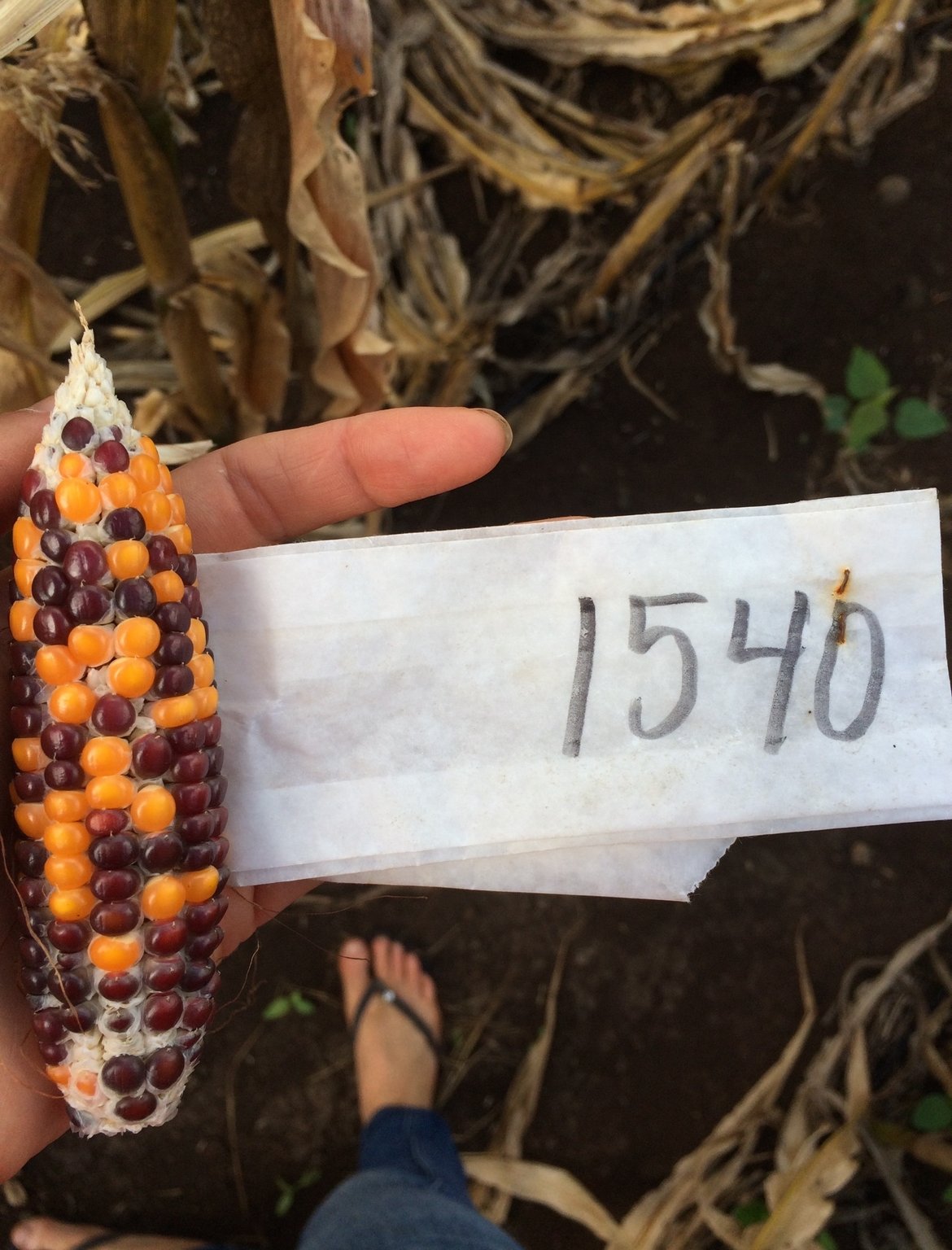
Breeding efforts with Dr. Brewbaker in 2013. Variegated orange and purple corn.
Mental Health Benefits
Beyond the physical benefits, interacting with soil microorganisms appears to have profound effects on mental health. The term "ecotherapy" has emerged to describe the psychological benefits of connecting with nature, with gardening being a cornerstone practice. Soil microbes may play a direct role in this relationship, with some producing compounds that act as natural antidepressants when we inhale them.
From Garden to Watershed: The Ecological Ripple Effect
The benefits of cultivating diverse microbial communities extend far beyond individual health, creating a positive chain reaction that flows through our watersheds to coastal ecosystems and oceans.
Soil Health and Water Filtration
Healthy soil teeming with microorganisms acts as a living filter. When rain falls on microbially diverse soil, these organisms break down pollutants, trap sediments, and remove excess nutrients that would otherwise flow into waterways. Mycorrhizal fungi form vast underground networks that improve soil structure, preventing erosion during heavy rainfall and allowing water to percolate slowly rather than running off quickly.
Reducing Chemical Inputs
Gardeners who understand the power of beneficial soil microorganisms often reduce their dependence on synthetic fertilizers and pesticides. This shift has profound implications for watershed health, as these chemicals are major sources of water pollution. When rain washes fertilizers into streams and rivers, they eventually reach coastal waters, where they can trigger harmful algal blooms and create oxygen-depleted "dead zones."
Microbiome Continuity: From Soil to Sea
Emerging research suggests a surprising continuity between soil, freshwater, and marine microbiomes. Some soil microorganisms make their way through watersheds to estuaries and coastal areas, where they can influence ocean health. Additionally, the diverse microbial communities in healthy garden soil help sequester carbon, potentially mitigating ocean acidification caused by excess atmospheric carbon dioxide.
Creating Microbial Sanctuaries in Your Garden
To maximize the health benefits and ecological impact of your garden, consider these practices that foster diverse microbial communities:
Avoid synthetic chemicals that disrupt soil life, opting instead for organic amendments like compost and cover crops.
Minimize soil disturbance through no-till methods that preserve fungal networks and soil structure.
Increase plant diversity to support a wider range of soil organisms—different plant species cultivate different microbial partners.
Add compost regularly to inoculate your soil with beneficial microorganisms and provide the organic matter they need to thrive.
Create rain gardens and swales that slow water movement through your landscape, giving soil microbes more time to filter and clean runoff before it enters the watershed.
A Growing Movement
The understanding that gardening connects human health to watershed and ocean health is inspiring a new approach to home landscapes. From rain gardens that filter stormwater to native plant gardens that support soil biodiversity, homeowners are increasingly seeing their yards as more than decorative spaces—they're microbial sanctuaries with far-reaching benefits.
Community gardens in urban areas provide particularly valuable opportunities for people to reconnect with beneficial soil microorganisms while creating green infrastructure that helps manage stormwater and reduce pollution.
Conclusion: The Healing Cycle
The simple act of gardening creates a healing cycle that benefits the gardener (and their family), the soil, the watershed, and ultimately the ocean. By cultivating diverse microbial communities in our gardens, we simultaneously strengthen our own health and the health of aquatic ecosystems downstream.
As we face challenges like extreme weather, biodiversity loss, and rising rates of immune-related diseases, this ancient practice of tending the soil offers a surprisingly modern solution—reconnecting us to the microbial relationships that have sustained life on Earth for billions of years.
The next time you dig your hands into garden soil, remember you're not just growing plants; you're participating in an intricate system of life that flows from your backyard to the sea.